
Ice on the Lake - What Difference Does it Make?
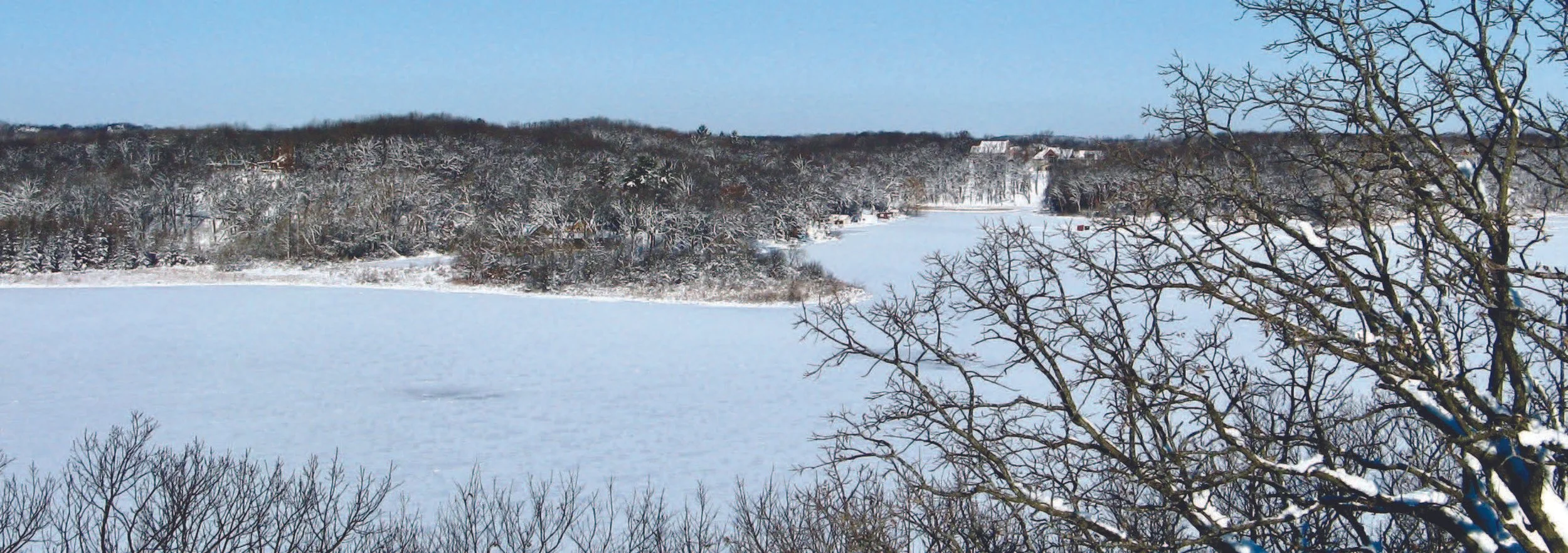
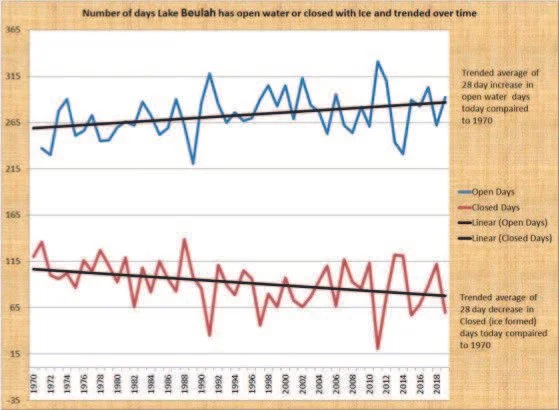
In the spring issue of Lake Views, a graph of fifty years of data showed a clear trend with an average of almost one month less ice cover now than in 1970. Should we care? As promised, this article will attempt to explain why observed changes in ice cover could indicate a deleterious effect to the Lake Beulah ecosystem.
It turns out scientists have been studying this phenomenon in Wisconsin lakes for a long time so there is some pretty good information on what we can expect is already occurring in the lake. One thing we can already see is how fewer days of ice are impacting winter recreational activities on the lake. On one hand, the increased days of open water make for more days of boating and waterskiing by well-equipped early and late season skiers.
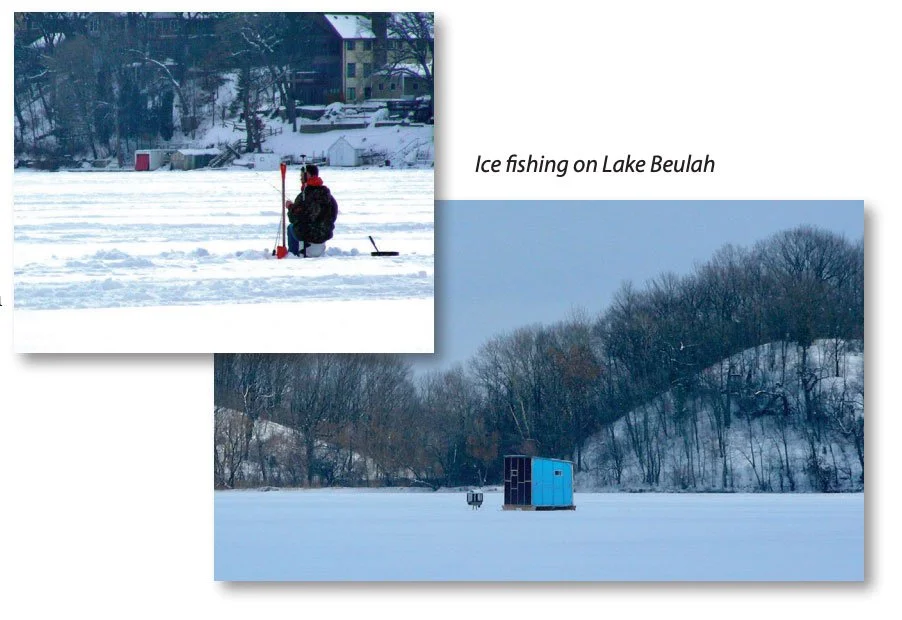
On the other hand, there is a smaller window for ice skating, cross-country skiing and ice fishing. Jeramie from Triangle Sportsman’s Club reports that to insure safe ice they have had to move their annual ice fishing tournament to mid/late January… Also, ice fishermen who think they can leave their shanties on the ice until the mid-March deadline will have a rude awakening as the ice is either already gone, or far too thin to support any weight.
While the impact of less days of ice on Lake Beulah might just mean we need to adapt our people activities, the impact on the lake’s ecosystem is more serious. Today, species of deeper inland lakes like Lake Beulah now face the challenge of depleted levels of dissolved oxygen in the bottom waters where they live.
To understand why this happens, you need to know the lake’s bottom waters are naturally separated from the warmer top waters by a process called ‘thermal stratification’. Basically, this means the colder, denser water is beneath the warmer, less dense surface waters. Normally, seasonal changes in temperature trigger mixing of the thermal layers of the lake. This mixing redistributes oxygen to the deeper waters where oxygen has been depleted over time.
But, if we get a very warm, early spring it could quickly stratify the lake, and as a result the length of time the lake will be stratified during the open-water season would likely be longer than normal (same deal if the fall season remains very warm). As one expert I contacted explained, ‘It’s complicated!’
The amount of oxygen present in the lower layer of the lake is limited. Think of it like a SCUBA tank - send a diver down for an hour with a tank of air and it’s no problem. Give them the same tank and tell them to stay down for an extra day or two without getting any extra air, and now they have a problem. The same problem exists when all of the creatures/bacteria in a lake are consuming a limited supply of oxygen. If the available oxygen drops really low before the supply is rejuvenated from mixing, aquatic creatures start dying off.
In recent years, Lake Beulah has already lost a cold-water fish species, the Cisco. While the lake was once one of only a few in SE Wisconsin to harbor these up to 20” fish, we are now told by DNR fisheries experts that coldwater Cisco are no longer in the lake.
Conclusion
So should we care if the duration of ice cover on the lake continues to decline? I guess that might depend on our mindset about what is important. And then, can we do anything about it anyway? So is the best approach to just take the attitude, ‘don’t worry, be happy?’ As always, your thoughts are welcome. Send them to LakeBeulah.LakeViews.Editor@gmail.com
Sources of information: WICCI Nelson Institute for Environmental Studies | Wisconsin Department of Natural Resources, Dr. Paul Skawinski, UW-Stevens Point