
Keep Lake Beulah Beautiful: Everyday Actions for a Healthy Lake
Lake Beulah has always been more than just a body of water. It’s a place where families gather, where neighbors connect, and where generations have enjoyed fishing, swimming, boating, and quiet reflection along its shores. Protecting this lake is not only about preserving its beauty today — it’s about ensuring that future generations inherit a healthy, vibrant ecosystem. Every choice we make at home and on the water contributes to the lake’s wellbeing.
Here are practical, science‑based steps you can take to keep Beulah thriving.
Positive Actions You Can Take
Reduce Runoff with Native Plantings
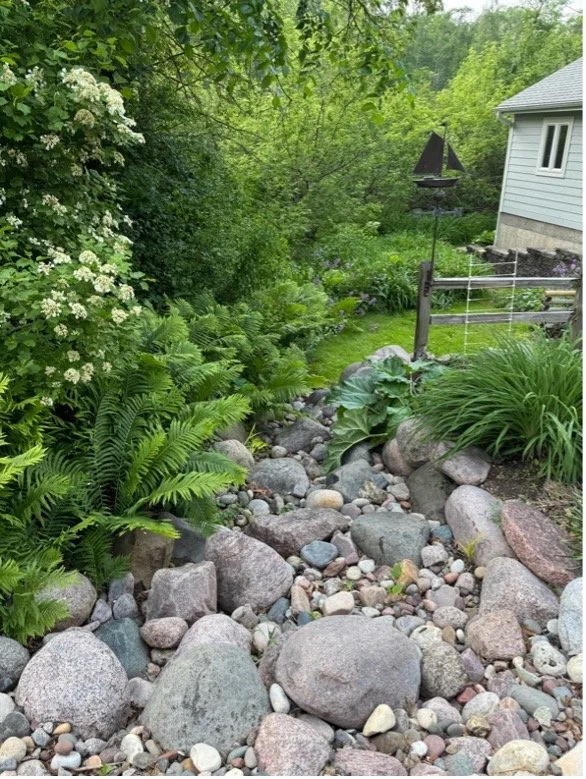
Runoff from roads and driveways carries oil, fertilizers, and other contaminants directly into Lake Beulah. Over time, this fuels algae blooms and diminishes water quality. By planting a rain garden or bioswale filled with native species, you create a natural filter. Rocks and plants slow the water’s flow, while roots absorb excess nutrients and hydrocarbons. It’s a simple, beautiful way to protect the lake while adding pollinator‑friendly landscaping to your property.
Maintain Septic Systems Regularly
Septic systems that aren’t properly maintained can leak harmful bacteria and nutrients into the lake. Annual inspections and pumping every three years keep systems functioning properly and prevent contamination. This small investment protects both your household and the lake.
Choose Phosphate-Free Products
Phosphates in household cleansers contribute to nutrient pollution, which accelerates algae growth. By checking labels and choosing “phosphate free” products, you reduce the load of harmful nutrients entering the water. It’s a quick switch that makes a big difference.
Plant Shoreline Buffers
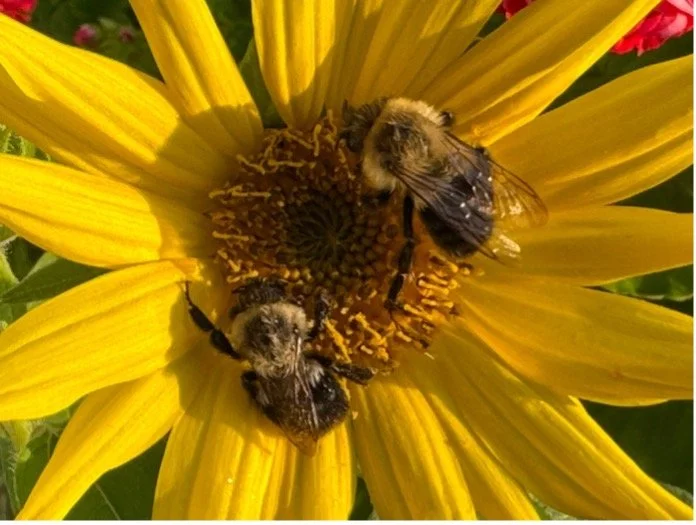
Shoreline vegetation acts as a natural barrier, preventing erosion and providing habitat for fish, insects, and birds. Native and non‑invasive plants stabilize the soil and create a healthier ecosystem. A living shoreline is both protective and beautiful.
Use Fertilizers Responsibly
Fertilizers can be useful for lawns and gardens, but when applied too close to the lake, they wash directly into the water. Choose low‑phosphate, slow‑release nitrogen fertilizers and apply them at least 30 feet from the shoreline. This keeps nutrients where they belong — in your soil, not the lake.
Manage Weeds Carefully
If weeds can’t be hand‑pulled, products like Weed‑Be‑Gone can help. But avoid applying them near the lake, where chemicals can leach into the water. Thoughtful weed management protects the lake’s delicate balance.
Travel Slowly in Shallow Areas
Boating too fast in shallow water stirs up sediments from the lake bottom. This releases nutrients that feed algae and cyanobacteria. By slowing down, you protect water clarity and aquatic life — and enjoy a calmer ride.
Activities to Avoid
Some everyday actions may seem harmless but can have lasting negative impacts on the lake. Please avoid:
Bathing, shampooing, or washing boats, pets, or objects in the lake
Using fertilizer or herbicides within 30 feet of the shoreline
Applying pesticides near the lakeshore
Burning brush or dumping yard clippings on the ice or water
Feeding ducks or other aquatic wildlife, which disrupts natural food webs
Using herbicide pellets, installing blowers, or vacuuming vegetation from the lake bottom
Stewardship in Action
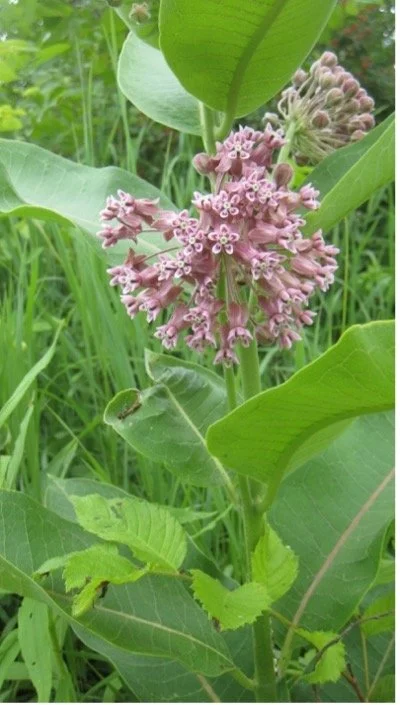
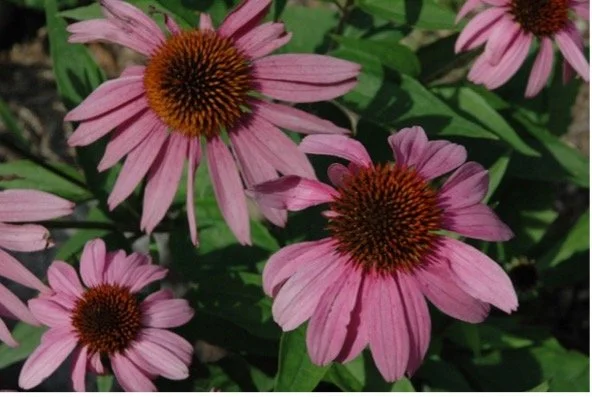
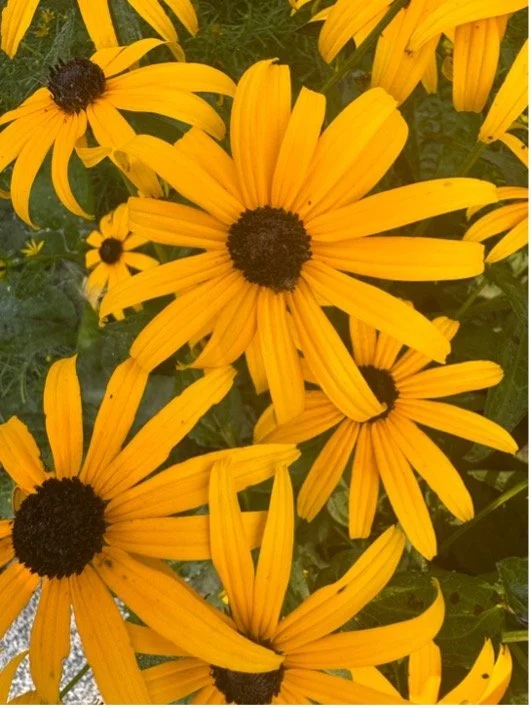
Adding native plants like milkweed, coneflower, or black‑eyed Susan to your yard or shoreline not only beautifies the landscape but also supports pollinators and strengthens the lake’s ecosystem. These species thrive locally and contribute to a healthier environment for all.
A Shared Responsibility
Lake Beulah’s health depends on all of us. Each small action — whether it’s maintaining a septic system, planting native flowers, or slowing down your boat — adds up to a big impact. Stewardship is a shared responsibility, and together we can ensure that Lake Beulah remains a place of beauty, recreation, and community for generations to come.
Join us in protecting Lake Beulah. Share these tips with your neighbors, put them into practice at home, and be part of the collective effort to keep our lake healthy and beautiful.